


- Pediatric Epilepsy & Febrile Seizures Clinic
- Cerebral Palsy Clinic
- Pediatric Headache & Migraine Clinic
- Pediatric Movement Disorders Clinic
- Genetic & Neurometabolic Neurology Clinic
- Pediatric Nerve & Muscle Disorders Clinic
- Developmental Delay & Early Intervention Clinic
- Autism, ADHD, Learning Difficulties & Behavioural Neurology Clinic
- Pediatric Neurodiagnostic Lab (EEG, NCS, EMG, Evoked Potentials/BERA)
Autism, ADHD, Learning
Difficulties & Behavioural
Neurology Clinic
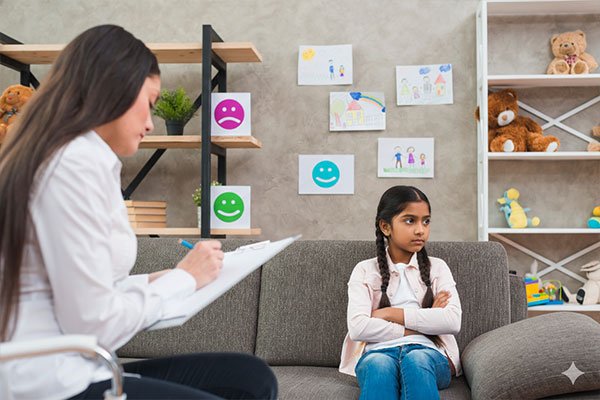
Many parents worry when their child is “in their own world”, very hyperactive, struggling in school or showing difficult behaviours. You may hear different labels – autism, ADHD, slow learner, dyslexia, behaviour problem – and feel overwhelmed.
At the Autism, ADHD & Learning Difficulties Clinic, Vishwalata NeuroConnect, our pediatric neurologist looks at the brain, behaviour and learning as a whole, helping families in Navi Mumbai understand what is really going on and how to support their child with a clear, stepwise plan.
Understanding Autism, ADHD & Learning Difficulties
Autism Spectrum Disorder (ASD)
Children with autism often have:
- Limited or inconsistent eye contact
- Delayed or unusual speech / communication
- Reduced pointing, gestures or sharing interests
- Preference for routines, repetitive behaviours, lining up toys, strong interests in specific things
- Sensory issues - very sensitive to sound, touch, textures, or sometimes seeking sensory input
Attention Deficit Hyperactivity Disorder (ADHD)
ADHD shows as inattention, hyperactivity and impulsivity beyond what is expected for their age:
- Cannot sit still, constantly moving or talking
- Difficulty finishing tasks, careless mistakes, losing things
- Interrupts others, acts before thinking, difficulty waiting turn
Specific Learning Difficulties (SLD - dyslexia, dysgraphia, dyscalculia)
Children have normal intelligence but struggle with reading, writing or maths, often mistaken for “lazy” or “not interested”, leading to poor self-esteem.
These conditions are not the parents’ fault, and not due to “bad behaviour”. They are brain-based neurodevelopmental differences – with the right support, many children can do very well in school and life.
Combination of genetic factors and early brain development; often run in families.
Sometimes associated with prematurity, birth complications, seizures, neurometabolic or genetic syndromes, but in many children no single cause is found.
- Detailed developmental and behavioural history (home + school), sleep and diet review
- MRI, EEG or genetic/metabolic tests only when clinically indicated (e.g., regression, seizures, dysmorphism).
- Structured screening tools for autism and ADHD, neurological examination
- IQ and psycho-educational testing via psychologists for learning profiles
- Hearing and vision check where needed
- Parent training & behaviour management strategies
- Speech and language therapy for communication and social interaction
- Occupational therapy (OT) and sensory integration for fine-motor and sensory issues
- Special education / remedial teaching for reading, writing, maths difficulties
- Medications may be used for ADHD, severe aggression, self-injury, sleep problems or significant co-existing anxiety/depression - always with careful counselling.
Rehabilitation is the heart of treatment for autism, ADHD and learning difficulties:
- Occupational Therapy (OT):
- Works on fine-motor skills, handwriting, self-care (feeding, dressing, toileting)
- Uses sensory integration techniques to help children who are over- or under-sensitive to touch, sound, movement.
- Teaches attention-building, planning, organisation and regulation skills, especially important in ADHD and autism.
- Occupational Therapy (OT):
- Works on fine-motor skills, handwriting, self-care (feeding, dressing, toileting)
- Uses sensory integration techniques to help children who are over- or under-sensitive to touch, sound, movement.
- Teaches attention-building, planning, organisation and regulation skills, especially important in ADHD and autism.
- Occupational Therapy (OT):
- Works on fine-motor skills, handwriting, self-care (feeding, dressing, toileting)
- Uses sensory integration techniques to help children who are over- or under-sensitive to touch, sound, movement.
- Teaches attention-building, planning, organisation and regulation skills, especially important in ADHD and autism.
- Speech & Communication Therapy:
- Improves understanding, expression, social communication, play and joint attention.
- Behaviour & Parent Training:
- Helps manage tantrums, rigidity, aggression, self-stimulatory behaviours, screen addiction.
- Teaches parents structured routines, positive reinforcement, visual schedules.
- Remedial Education:
- Targets reading, spelling, writing, maths and study strategies for children with SLD or borderline intellectual functioning.
- Rehab is most effective when started early, with consistent home follow-through.
Many families are offered expensive “stem cell cures” for autism. Current scientific evidence shows:
- So far, no large, high-quality studies have proven that stem cell therapy reliably improves core autism features.
- Potential risks (infections, immune reactions, unregulated sources) and high cost must be considered.
- International guidelines consider stem cell therapy for autism experimental, to be used only in approved clinical trials with full ethical oversight.
- At Vishwalata NeuroConnect, we do not promote stem cells as a cure for autism. We focus on proven therapies (OT, speech, behaviour, education, family support) and offer honest counselling if families are considering research centres.
Clinical Insights - Etiology & Management
Conditions We Manage
Autism Spectrum Disorder (ASD) - all functioning levels
Global developmental delay with behavioural issues
ADHD – inattentive, hyperactive-impulsive and combined
types
Overlapping conditions - ASD + ADHD, ASD + epilepsy, learning difficulty + behavioural problems
Specific learning difficulties (SLD) - dyslexia, dysgraphia, dyscalculia (neurology input + referral for detailed psychological testing)
Behavioural problems with neurological background - tics, stereotypies, irritability in epilepsy or CP, sleep and behaviour issues

Red Flags - When Should Parents Seek an Opinion?
You should consult a pediatric neurologist / behavioural neurology clinic if your child:
- Has poor eye contact, does not point or show objects, or does not respond to name by 12–18 months
- Has very limited speech, echoing of words (echolalia) or uses only few phrases by 2.5–3 years
- Shows repetitive behaviours (lining up toys, hand flapping, spinning) or extreme reaction to sounds/textures
- Is overactive, impulsive, unable to sit for even a few minutes, constantly distracted or forgetful
- Struggles significantly with reading, writing or maths despite normal schooling and effort
- Has frequent tantrums, aggression, rigidity, self-injury or severe sleep problems
- Lost previously gained social or language skills (regression)
- Early identification leads to earlier therapy, better outcomes and less parental guilt.
Why Vishwalata NeuroConnect for Autism, ADHD & Behavioural Neurology?


Support, Not Blame
If you are worried that your child is “not talking like others”, “too hyper”, “cannot sit and study” or “always in their own world”, you don’t have to face it alone or rely on confusing advice.
Book an appointment at the Autism, ADHD & Learning Difficulties Clinic, Vishwalata NeuroConnect to:
- Get a clear, compassionate explanation of what is happening
- Plan appropriate assessments (only those that are truly needed)
- Start evidence-based therapies and school support
- Receive ongoing guidance for your child’s long-term growth and happiness
Call / WhatsApp / Book online to consult our pediatric behavioural neurologist in Navi Mumbai (Vashi | Koparkhairane). Bringing school reports, previous assessments and short videos of your child’s behaviour can be very helpful.