


- Pediatric Epilepsy & Febrile Seizures Clinic
- Cerebral Palsy Clinic
- Pediatric Headache & Migraine Clinic
- Pediatric Movement Disorders Clinic
- Genetic & Neurometabolic Neurology Clinic
- Pediatric Nerve & Muscle Disorders Clinic
- Developmental Delay & Early Intervention Clinic
- Autism, ADHD, Learning Difficulties & Behavioural Neurology Clinic
- Pediatric Neurodiagnostic Lab (EEG, NCS, EMG, Evoked Potentials/BERA)
Spine Disorders & Cervical /
Lumbar Spondylosis Clinic
in Navi Mumbai

Neck and back pain are now among the most common reasons people miss work or feel limited in daily life. Cervical and lumbar spondylosis are age-related “wear and tear” changes in the spine that can cause neck or low-back pain, stiffness, and sometimes radiating pain, tingling or numbness in the arms or legs. At Vishwalata NeuroConnect, Navi Mumbai, our Spine & Spondylosis Clinic focuses on finding the exact source of your pain (disc, nerve, muscle or posture), relieving symptoms, and preventing long-term disability with a scientific, conservative-first approach.
Understanding Spine Disorders & Spondylosis
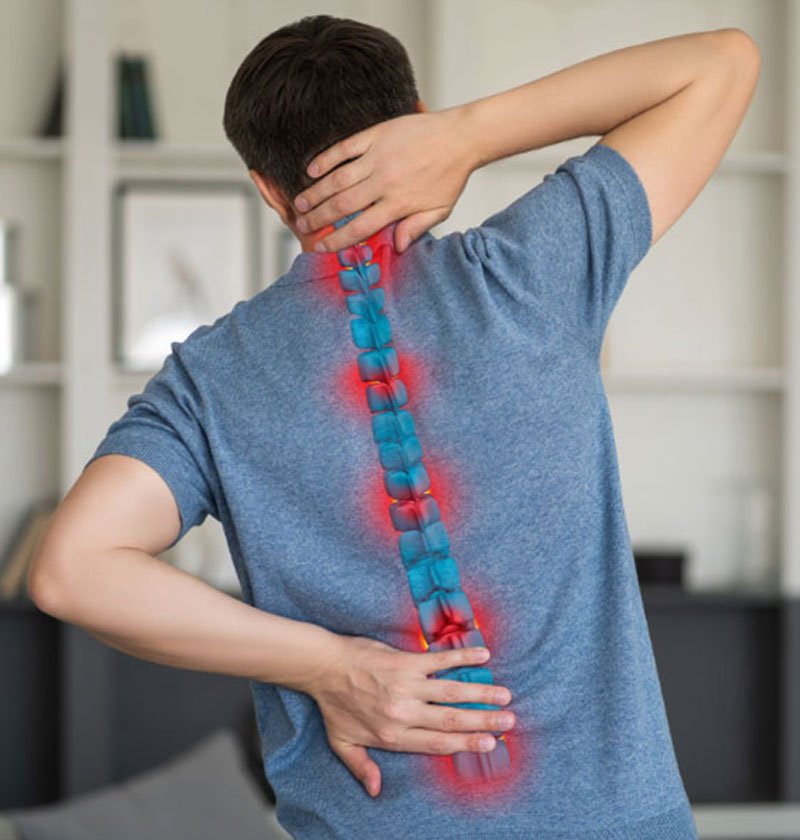
The spine is made of bones (vertebrae), discs, joints, ligaments and nerves. With age, the discs gradually lose water and height, small bone spurs form, and the joints can develop arthritis – this process is called spondylosis. When this happens in the neck, it is cervical spondylosis; in the lower back, lumbar spondylosis. Many people have these changes without symptoms, but when nerves or the spinal cord are irritated or compressed, you may experience:
- Neck pain and stiffness, sometimes with headache or dizziness
- Low-back pain, often worse with prolonged standing or sitting
- Radiating “sciatica” pain, tingling or numbness down the arm or leg if a nerve root is pinched (radiculopathy)
- Feeling of heaviness, tiredness or weakness in the legs while walking (neurogenic claudication in lumbar canal stenosis)
Most spine problems improve with posture correction, exercises and medicines, but proper neurological assessment is important to rule out serious causes and avoid unnecessary surgery.
Etiology
-
 Age-related disc degeneration, facet joint arthritis and ligament thickening leading to narrowing of the spinal canal or nerve exit holes (foramina)
-
Disc prolapse / herniation causing acute radiculopathy
-
Lifestyle factors: prolonged sitting, poor ergonomics, repetitive bending, heavy lifting, smoking, obesity
Management (stepwise, evidence-based)
Education & activity modification
Stay active, avoid prolonged bed rest; correct workstation, avoid heavy lifting, frequent breaks.
Medications
Short courses of NSAIDs, muscle relaxants, neuropathic pain agents where indicated.
Physiotherapy & Core Strengthening
Neck and back mobility exercises, core and paraspinal strengthening, posture training, traction and manual therapy as appropriate.
Lifestyle & preventive strategies
Weight management, smoking cessation, regular low-impact exercise (walking, swimming, yoga under guidance).
Interventions
Targeted nerve root/epidural injections or radiofrequency procedures in selected patients with persistent radicular pain.
Surgery
Reserved for significant or progressive neurological deficits, intractable pain despite optimal conservative care, or serious conditions like cervical myelopathy or cauda equina syndrome.
Home tips
01
Maintain neutral neck/back posture (screen at eye level, chair with lumbar support).
02
Use log-rolling technique to get out of bed; avoid sudden twisting.
03
Strengthen core & back muscles 3–4 times/week as advised by physiotherapist.
04
Use firm mattress, single pillow for neck pain, and avoid long periods with phone in your lap.
Conditions We Treat
Acute ischemic stroke (clot related stroke)
Cervical artery dissection and other rare vascular causes
Brain hemorrhage / intracerebral hemorrhage
Stroke related to heart disease (cardioembolic stroke)
Post-stroke epilepsy, spasticity, gait and balance problems
Young stroke / stroke in the young
Transient Ischemic Attack (TIA / “mini stroke”)
Stroke in pregnancy or postpartum period
Transient Ischemic Attack (TIA / “mini stroke”)
Red Flags - When to Consult a Neurologist
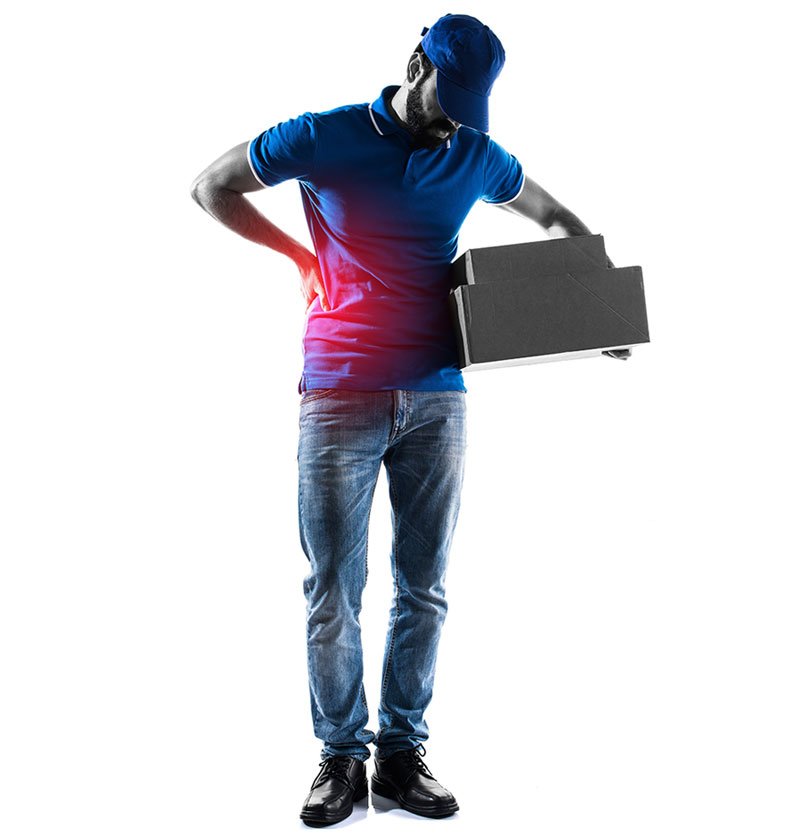
Consult a neurologist or go to the emergency department immediately if spine pain is associated with:
- New weakness in arm or leg, foot drop or difficulty gripping objects
- Loss of bladder or bowel control, urinary retention, or numbness around the groin / inner thighs (“saddle anaesthesia”) - possible cauda equina syndrome, a neurosurgical emergency
- Fever, unexplained weight loss, night sweats, or history of cancer / TB along with back pain - could suggest infection or tumour
- Severe, rapidly worsening neck or back pain after trauma or fall
- Difficulty walking, frequent falls, or stiffness with spastic gait suggesting cervical myelopathy
For non-emergency situations, book an appointment if you have:
- Neck or back pain lasting more than 4–6 weeks
- Recurrent sciatica or arm pain with tingling/numbness
- Pain that interferes with sleep, work, or daily activities despite basic measures
Why Choose Vishwalata NeuroConnect for Spine & Spondylosis Care?


Take Care of Your Spine Today
If neck pain, back pain or sciatica is interfering with your work, sleep or daily life, don’t ignore it or rely only on painkillers.
Book an appointment at the Spine Disorders & Cervical / Lumbar Spondylosis Clinic, Vishwalata NeuroConnect to:
- Get a clear diagnosis of the cause of your pain
- Review your MRI / X-ray / reports with a neurologist
- Start a personalised treatment and exercise plan to protect your spine
- Learn practical posture, ergonomics and lifestyle strategies to prevent future flare-ups
Call / WhatsApp / Book online for a consultation with our spine specialist in Navi Mumbai (Vashi | Koparkhairane) and take the first step toward a stronger, pain-free back.