- Pediatric Epilepsy & Febrile Seizures Clinic
- Cerebral Palsy Clinic
- Pediatric Headache & Migraine Clinic
- Pediatric Movement Disorders Clinic
- Genetic & Neurometabolic Neurology Clinic
- Pediatric Nerve & Muscle Disorders Clinic
- Developmental Delay & Early Intervention Clinic
- Autism, ADHD, Learning Difficulties & Behavioural Neurology Clinic
- Pediatric Neurodiagnostic Lab (EEG, NCS, EMG, Evoked Potentials/BERA)
Stroke & Brain Attack Care
(Acute + Prevention)
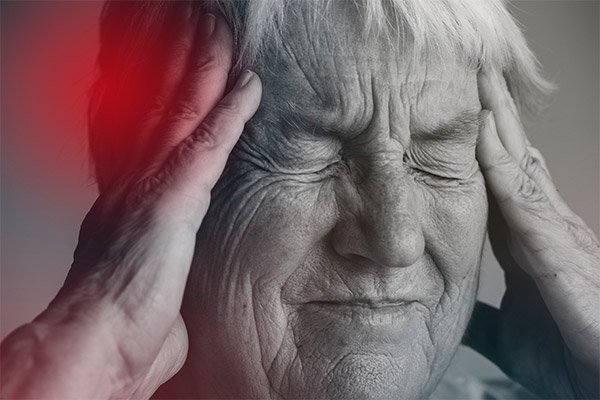
A stroke (also called a brain attack) happens when the blood supply to a part of the brain is suddenly blocked or a blood vessel bursts. Brain cells start getting damaged within minutes. Fast treatment can save brain tissue, reduce disability, and in many cases, save life. At Vishwalata NeuroConnect, we offer comprehensive stroke services – from emergency thrombolysis and advanced imaging to long-term prevention and rehabilitation.
Early recognition and reaching a stroke-ready hospital within the golden window (up to 4.5 hours for IV thrombolysis in eligible patients) can make the difference between independent living and lifelong disability. That’s why we focus on both acute stroke treatment and aggressive risk-factor control (blood pressure, diabetes, cholesterol, heart disease, smoking, etc.) to prevent future events.
What Causes Stroke
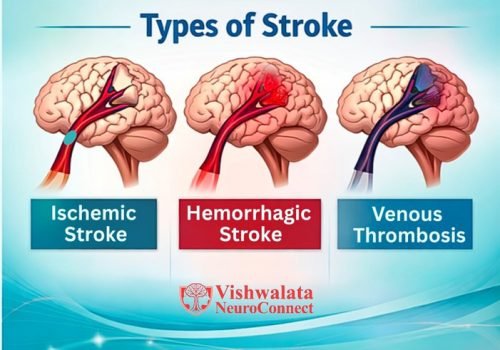
Most strokes are either:
-
Ischemic stroke due to blockage of a brain artery by a clot (thrombus/embolus)
-
Hemorrhagic stroke due to rupture of a brain blood vessel causing bleeding in or around the brain
Common risk factors include hypertension, diabetes, high cholesterol, smoking, heart disease (like atrial fibrillation), previous stroke or TIA, obesity, and sedentary lifestyle
How We Treat It
Most strokes are either:
Acute Phase (Emergency)
- Rapid neurological assessment and stroke scale scoring
- Urgent CT / MRI brain to differentiate ischemic vs hemorrhagic stroke
- IV thrombolysis in selected ischemic strokes within the recommended time window (and extended therapies where appropriate as per guidelines)
- Blood pressure, sugar and temperature control
- Management of brain swelling, seizures, and complications
Subacute & Prevention Phase
- Identifying stroke mechanism (large artery disease, cardioembolic, small vessel disease, other rare causes)
- Antiplatelet or anticoagulant therapy based on cause
- Statins and vascular risk-factor optimization
- Physiotherapy, speech and swallow therapy, cognitive and occupational rehab
- Long-term follow up to prevent recurrence
Conditions We Treat Under Stroke & Brain Attack Care
Acute ischemic stroke (clot related stroke)
Cervical artery dissection and other rare vascular causes
Brain hemorrhage / intracerebral hemorrhage
Stroke related to heart disease (cardioembolic stroke)
Post-stroke epilepsy, spasticity, gait and balance problems
Young stroke / stroke in the young
Transient Ischemic Attack (TIA / “mini stroke”)
Stroke in pregnancy or postpartum period
Stroke Red Flags – When to Consult Immediately
Seek emergency neurological care or call an ambulance immediately if you notice:
- Sudden weakness or numbness of face, arm or leg (especially on one side)
- Sudden deviation of face or difficulty smiling
- Sudden difficulty speaking, slurred speech, or not understanding simple sentences
- Sudden loss of vision in one or both eyes, or double vision
- Sudden severe imbalance, dizziness, or difficulty walking
- Sudden severe headache, especially if “worst ever” or associated with vomiting, loss of consciousness or seizures
Remember the simple rule B-E-F-A-S-T (Balance, Eyes, Face, Arm, Speech, Time)
If any sign is positive – Time = Brain. Reach Vishwalata NeuroConnect or the nearest stroke-ready hospital urgently.
Why Choose Vishwalata NeuroConnect for Stroke & Thrombolysis?
Book an Appointment at Our Stroke Clinic
If you or your loved one has had a stroke, TIA, or sudden neurological symptoms, don’t ignore it. Book a consultation with our Stroke & Brain Attack Clinic at Vishwalata NeuroConnect to:
- Review MRI/CT and previous reports
- Get a structured stroke risk evaluation and prevention plan
- Discuss thrombolysis eligibility and future treatment options
- Plan individualized rehabilitation to maximize recovery