


- Pediatric Epilepsy & Febrile Seizures Clinic
- Cerebral Palsy Clinic
- Pediatric Headache & Migraine Clinic
- Pediatric Movement Disorders Clinic
- Genetic & Neurometabolic Neurology Clinic
- Pediatric Nerve & Muscle Disorders Clinic
- Developmental Delay & Early Intervention Clinic
- Autism, ADHD, Learning Difficulties & Behavioural Neurology Clinic
- Pediatric Neurodiagnostic Lab (EEG, NCS, EMG, Evoked Potentials/BERA)
Epilepsy & Seizure Disorders

Most seizures last only a minute or two and stop on their own. Having a single seizure doesn’t always mean someone has epilepsy – doctors usually diagnose epilepsy when a person has two or more unprovoked seizures (seizures not immediately caused by a known trigger). In about half of all cases, no specific cause for epilepsy can be identified. In other cases, epilepsy can be traced to an underlying issue such as a stroke or brain tumor in older adults, serious head injury, brain infections like meningitis or encephalitis, or genetic and developmental conditions. Understanding the cause can help guide treatment, but regardless of cause, epilepsy is treatable. With the right diagnosis and therapy, most people with epilepsy can lead full, active lives.
Epilepsy is a neurological condition where nerve cell activity in the brain becomes abnormal, causing recurring seizures. A seizure is a sudden burst of uncontrolled electrical impulses in the brain that can alter a person’s awareness, movements, or sensations.
Seizures take many forms – some are brief lapses of attention or staring spells, while others involve uncontrolled jerking movements (convulsions) and loss of consciousness. Epilepsy (also known as a seizure disorder) affects people of all ages and walks of life. It’s important to know that epilepsy is not contagious or a psychological illness; it is a medical condition that can often be managed effectively with proper care.
Treatment and outlook: The good news is that seizures can usually be controlled. Up to 70% of people living with epilepsy could become seizure-free with proper diagnosis and treatment. The first line of treatment is anti-seizure medications (also called anti-epileptic drugs). In fact, more than half of patients achieve complete seizure control with the first medication tried. For those whose seizures aren’t fully controlled by medicine, advanced options are available. About 70% of people with epilepsy become seizure-free with optimal treatment, and the remaining ~30% who have drug-resistant epilepsy should be evaluated for other therapies like epilepsy surgery. Epilepsy surgery (removing or disconnecting the affected area of the brain causing seizures) can significantly reduce seizures or even cure epilepsy in selected cases. Other treatments, such as nerve stimulation devices or specialized diets, may also help in difficult cases. Modern epilepsy care is highly effective, and our goal is always to help patients achieve the best possible seizure control and quality of life.
Causes
Epilepsy has many potential causes at the neurological level. Known causes include
-
 Structural brain injuries (from events like stroke, traumatic head injury or brain tumors)
-
Brain infections (e.g. encephalitis or neurocysticercosis)
-
Metabolic or immune disorders
-
Genetic conditions that affect the brain.
However, roughly 50% of epilepsy cases have no identifiable cause (“idiopathic” epilepsy).
Types
Clinicians classify seizures into two broad categories:

Focal onset (starting in one specific part of the brain)

Generalized onset (involving both sides of the brain from the start).
This classification helps in choosing the appropriate treatment and predicting how the seizures might behave.
First Aid
If you see someone having a seizure, there are simple steps to protect them from harm:
Keep them safe
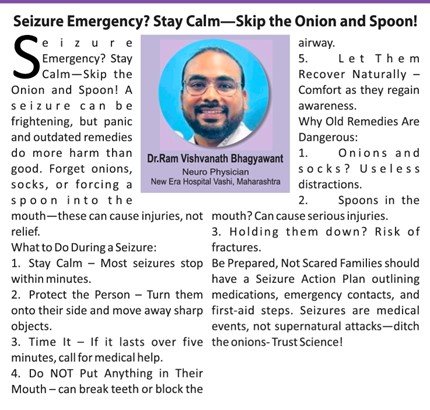
Gently lay the person down and roll them onto one side with their mouth turned toward the ground (the recovery position) to keep their airway clear. Remove any nearby objects that could cause injury, and place something soft under their head for protection.
Do not restrain or put objects in their mouth
Never hold a seizing person down and do not put anything in their mouth. (It’s a myth that they might swallow their tongue – trying to force objects into the mouth can chip teeth or cause other injuries.)
Time the seizure
Most seizures stop within a couple of minutes. If a seizure lasts longer than 5 minutes, or if a second seizure begins shortly after the first, call for emergency medical help right away.
After the seizure
Once the jerking stops, ensure the person is breathing and let them rest on their side. They may be confused or drowsy for a while after. Stay with them until they are fully alert and offer reassurance as they recover. If they were injured or have trouble breathing or waking up even after the seizure ends, seek medical care immediately.

Long-term management
Diagnosing and managing epilepsy is a highly personalized process. A neurologist will take a detailed history and usually perform tests like an EEG (electroencephalogram) to look at the brain’s electrical activity, as well as brain imaging (MRI/CT) to check for causes of seizures. Once epilepsy is diagnosed, the cornerstone of treatment is finding the right medication (or combination of medications) to prevent seizures. Regular follow-ups are important – the doctor will adjust doses or try different drugs if needed to minimize seizures and side effects. Keeping a seizure diary (recording when seizures happen, triggers, etc.) is often recommended to help guide treatment adjustments. Patients are also advised on lifestyle measures, like getting adequate sleep, managing stress, and avoiding known seizure triggers (for example, excess alcohol). If seizures continue despite trying two appropriate medications (a scenario termed drug-resistant epilepsy), patients may be referred to an epilepsy specialist or center for further evaluation. There, advanced therapies can be considered – for instance, surgery to remove the seizure focus in the brain, or implantation of devices like a vagus nerve stimulator to reduce seizure frequency. These interventions are tailored to the individual’s condition, and they offer hope for seizure control when standard treatments aren’t enough. With comprehensive care and modern treatments, even people with severe epilepsy can often achieve significant improvements in seizure control over time.
Conditions We Treat
At Vishwalata NeuroConnect, we diagnose and treat the full spectrum of epilepsy and seizure-related conditions, including:
01
Generalized Epilepsy
Seizures that involve both sides of the brain from the onset (e.g. generalized tonic-clonic seizures, formerly “grand mal,” or absence seizures). These often cause loss of consciousness and convulsive movements or brief staring spells.
02
Focal Epilepsy
Seizures that start in a specific area of the brain (formerly called partial seizures). Symptoms can be localized (for example, jerking of one limb) and may include impaired awareness or confusion during the event.
03
Status Epilepticus
A prolonged seizure or series of seizures without full recovery in between – a medical emergency that requires immediate treatment to prevent brain injury. We are equipped to promptly recognize and manage this critical condition.
04
Refractory (Drug-Resistant) Epilepsy
Epilepsy that is not adequately controlled with standard anti-seizure medications. For these cases, we offer advanced care plans, including evaluation for epilepsy surgery and other therapies to help reduce seizures.
05
Seizures with Underlying Causes
We provide specialized care for seizures arising from other conditions – for example, seizures due to stroke, brain hemorrhage, tumors, neuroinfections, or metabolic disturbances. Our team addresses both the seizures and the underlying neurological issues in such cases.
Red Flags - When To Consult A Doctor
It’s important to know when to seek medical advice or emergency care for seizures. Consult a neurologist or get immediate help if you encounter any of the following:
First-time seizure
If you or someone you know has a seizure for the first time, it should be evaluated by a doctor. Even a single unprovoked seizure is a reason to see a neurologist for further tests and guidance.
Seizure longer than 5 minutes or repeated seizures
A seizure that lasts beyond 5 minutes, or back-to-back seizures without regaining consciousness (this is status epilepticus), is an emergency. Call for medical help immediately in such cases.
Injury or breathing problems during a seizure
If a person is hurt, has difficulty breathing, or does not wake up after a seizure ends, seek urgent medical care. These situations may need emergency treatment to protect the person from further harm.
Worsening seizure frequency or symptoms
If you have epilepsy and notice your seizures becoming more frequent, lasting longer, or new symptoms appearing (for example, a new type of seizure), schedule a prompt visit with your neurologist. Worsening seizures may mean your treatment needs adjustment.
Side effects or life changes
Contact your doctor if medication side effects are intolerable (such as excessive drowsiness or mood changes), or if you are facing life changes like pregnancy and need to review seizure management. Specialized guidance can ensure you stay safe under new circumstances.
Remember, whenever in doubt about a seizure or its aftermath, it’s better to err on the side of medical evaluation. Early consultation can prevent complications and provide peace of mind.
Why Vishwalata NeuroConnect?
At Vishwalata NeuroConnect (Navi Mumbai), we are committed to providing comprehensive, compassionate care for patients with epilepsy and seizure disorders. Here’s why families trust us with their neurological care:


Advanced Diagnostics
Accurate diagnosis is the foundation of effective treatment. We offer in-house diagnostic facilities like EEG for brain wave monitoring, so that seizures and epilepsy can be evaluated promptly and accurately without undue delays. This allows us to start the right treatment as early as possible.

Holistic Patient Support
Living with epilepsy can affect many aspects of life. We take a holistic approach – educating patients and their families about seizure first aid, safety precautions (for work, driving, etc.), and strategies to handle daily challenges. Our team is here to answer your questions, address fears and misconceptions, and support your mental and emotional well-being alongside your physical health.

Convenience and Compassion
With locations in Navi Mumbai, our clinic offers you convenient access to specialized neurological care. We strive to minimize wait times and ensure that each patient gets ample time with the doctor. At Vishwalata NeuroConnect, you will find a caring environment where your concerns are heard and your treatment is a true collaboration between you and our team.
Take the Next Step
Don’t let seizures define your life. If you or a loved one is experiencing epilepsy or seizures, reach out to us today. Contact Vishwalata NeuroConnect to schedule a consultation with our neurologists and take control of your neurological health. We are here to help you on the path to a seizure-free life with safe, expert, and empathetic care.