
What Are Genetic Neurological & Neurometabolic Disorders?

- Presentations: global developmental delay, autism-plus features, early-onset refractory epilepsy, episodic encephalopathy with illness/fasting, progressive ataxia, spastic paraparesis, dystonia, neuropathy or myopathy
- Multisystem involvement: liver, heart, eyes, skin, endocrine problems along with neurological features
- Baseline labs - lactate, ammonia, liver/kidney/thyroid function, B12/folate, copper/ceruloplasmin, basic metabolic profile
- MRI brain/spine with attention to patterns suggestive of leukodystrophy or metabolic disease
- Targeted metabolic tests - amino acids, organic acids, acylcarnitine profile, very-long chain fatty acids, specific enzyme assays when indicated
- Genetic testing - from focused single-gene or panel tests to exome / genome sequencing, done through accredited labs with pre- and post-test counselling
- In some neuromuscular disorders - NCS/EMG, nerve or muscle biopsy, next-generation sequencing panels
- Treatable neurometabolic conditions: early start of disease-specific therapy (dietary restriction, vitamin or cofactor supplementation, chelation in Wilson’s disease, etc.) can dramatically change outcomes.
- Symptomatic & supportive care: seizure control, tone and movement management, spasticity/dystonia treatment, nutritional support, management of cardiac/hepatic/endocrine involvement.
- Rehabilitation: physiotherapy, occupational and speech therapy, vision/hearing interventions, special education and behavioural support.
- Explaining inheritance pattern (autosomal dominant/recessive, X-linked, mitochondrial).
- Recurrence risk for future pregnancies and options such as prenatal diagnosis or pre-implantation genetic testing (in collaboration with genetic and fetal medicine teams).
- Long-term follow-up: monitoring for progression, complications, therapy response and required adjustments as the child grows or the adult’s needs change.
Clinical Insights - Causes, Evaluation & Management
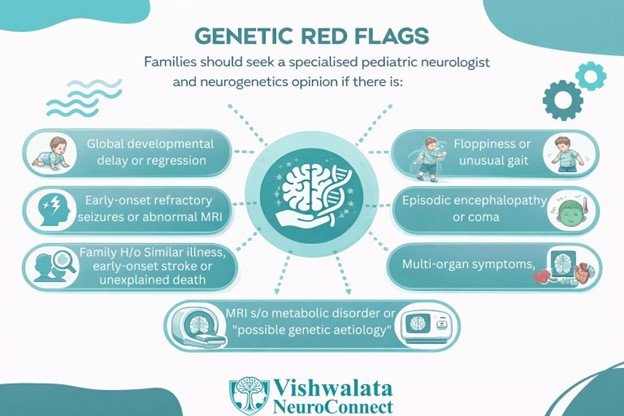
Red Flags - When to Suspect a Genetic or Neurometabolic Cause
- Early-onset refractory seizures, especially with dysmorphic features or abnormal MRI
- Global developmental delay or regression (loss of previously learned skills)
- Early referral matters because some neurometabolic conditions are time-sensitive - treatment started late may not reverse established damage.
- Episodic vomiting, confusion, encephalopathy or coma precipitated by infections or fasting
- Neurological symptoms with multi-organ involvement - liver disease, cardiomyopathy, cataracts, coarse facies, skeletal changes, etc.
- MRI or previous reports suggesting leukodystrophy, metabolic disorder or “possible genetic aetiology”
- Floppiness or marked stiffness in infancy, delayed sitting/standing, or unusual gait
- More than one family member with similar neurological illness, early-onset stroke, movement disorder or unexplained death
Why Vishwalata NeuroConnect for Genetic & Neurometabolic Neurology?

Neurologist with strong neuroimmunology & neurogenetics
interest, experienced in interpreting complex MRI/metabolic patterns and correlating them clinically.

Structured, stepwise work-up
avoiding random tests; choosing the right genetic/metabolic panels to maximise diagnostic yield and keep costs reasonable

Multidisciplinary coordination
with clinical geneticists, metabolic specialists, neonatology/pediatrics, hepatology and cardiology where needed.

Practical, honest counselling
clear communication about what is treatable, what is not yet curable, realistic expectations, and focus on quality of life.

Lifespan approach
care for both children and adults with inherited neurological disorders - transition from pediatric to adult neurology within the same ecosystem.

Conveniently located
for patients from Vashi, Koparkhairane and across Navi Mumbai, with time set aside for detailed family discussions.