


- Pediatric Epilepsy & Febrile Seizures Clinic
- Cerebral Palsy Clinic
- Pediatric Headache & Migraine Clinic
- Pediatric Movement Disorders Clinic
- Genetic & Neurometabolic Neurology Clinic
- Pediatric Nerve & Muscle Disorders Clinic
- Developmental Delay & Early Intervention Clinic
- Autism, ADHD, Learning Difficulties & Behavioural Neurology Clinic
- Pediatric Neurodiagnostic Lab (EEG, NCS, EMG, Evoked Potentials/BERA)
Pediatric Nerve &
Muscle Disorders Clinic
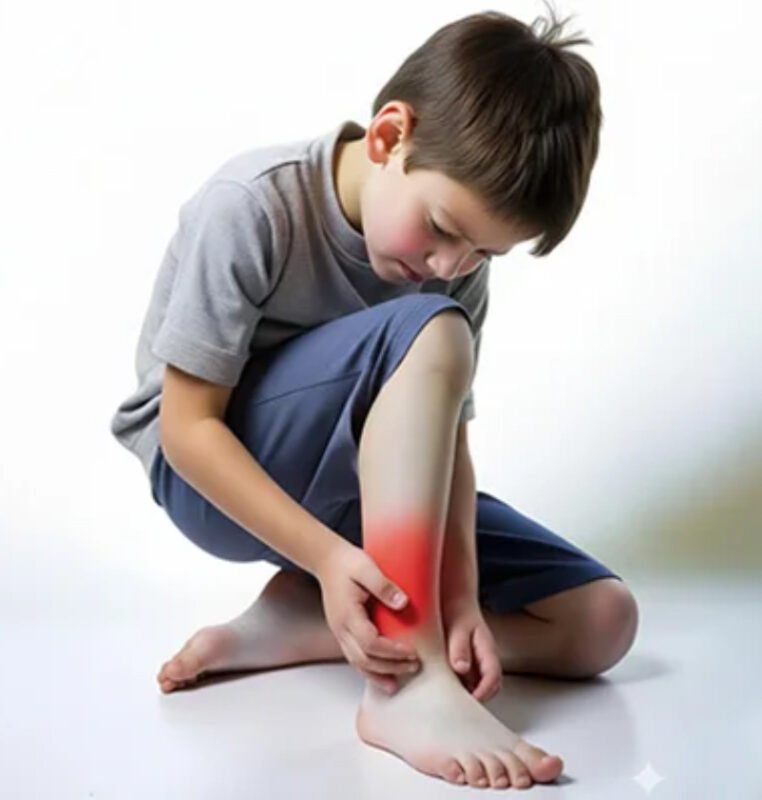
Some children are weaker than expected, too floppy or too stiff, tire easily, walk differently or stop achieving milestones they had already learnt. These can be signs of nerve or muscle disorders rather than “laziness” or lack of exercise. At the Pediatric Nerve & Muscle Disorders Clinic, Vishwalata NeuroConnect, our pediatric neurologist evaluates these concerns in a child-friendly manner and designs cause-based treatment and rehabilitation plans so children can reach their best possible function.
What Are Pediatric Nerve & Muscle Disorders ?
Movement in the body depends on a chain: brain → spinal cord → peripheral nerves → neuromuscular junction → muscles.
If any part of this chain is affected, a child may have:
- Weakness - difficulty running, jumping, climbing stairs, or getting up from the floor
- Floppiness (hypotonia) in infancy, or excessive stiffness (spasticity)
- Wasting or enlargement of muscles, toe-walking, frequent falls, unusual gait
- Fatigable weakness - fine in the morning but tired by evening (suggestive of myasthenia)
Some problems are genetic and slowly progressive (like certain muscular dystrophies), while others are sudden and treatable (like Guillain-Barré Syndrome). Early diagnosis helps prevent complications such as contractures, scoliosis, respiratory problems and loss of independence.
- Peripheral nerve disorders: hereditary neuropathies (CMT), immune neuropathies (GBS, CIDP), entrapment neuropathies, nerve injury.
- Neuromuscular junction disorders: juvenile myasthenia gravis, congenital myasthenic syndromes.
- Primary muscle disorders: Duchenne/Becker and other muscular dystrophies, congenital myopathies, inflammatory myositis, drug- or endocrine-related myopathies.
Accurate localisation (nerve vs junction vs muscle) using clinical examination plus tests such as NCS/EMG, CK levels, MRI, genetic tests and sometimes muscle biopsy.
- Immunotherapy (steroids, IVIG, plasmapheresis, steroid-sparing agents) in GBS, CIDP, myasthenia and inflammatory myopathies.
- Optimising thyroid, vitamin and endocrine status; stopping offending drugs where relevant.
- Regular physiotherapy, stretching, strengthening and gait training
- Orthotics (AFOs, spinal braces) to prevent deformities and improve walking
- Respiratory physiotherapy and nutrition planning in moderate–severe weakness
- School and activity guidance so the child can participate safely and confidently
Clinical Insights

Guillain–Barré Syndrome (GBS)
GBS is an acute immune-mediated attack on peripheral nerves, often starting 1–3 weeks after a viral/respiratory or stomach infection.
Children develop rapidly progressive weakness, usually starting in the legs and moving upwards, with reduced or absent reflexes. Some may have facial weakness, swallowing problems or breathing difficulty.
Diagnosis relies on clinical pattern, NCS/EMG and cerebrospinal fluid findings.
Treatment with IVIG or plasmapheresis, along with close ICU monitoring of breathing and heart rate, can be life-saving. Most children show major recovery over weeks to months, especially with early physiotherapy and rehabilitation.
Conditions We Treat
Guillain–Barré Syndrome (GBS) and other acute neuropathies
Chronic immune neuropathies (CIDP and variants)
Hereditary neuropathies (e.g., Charcot–Marie–Tooth disease)
Congenital myopathies and myositis (inflammatory muscle diseases)
Juvenile myasthenia gravis and congenital myasthenic syndromes
Peripheral nerve palsies (facial palsy, peroneal palsy, etc.)
Duchenne/Becker muscular dystrophy and other muscular
dystrophies
Unexplained floppiness, delayed motor milestones or abnormal gait where a nerve/muscle cause is suspected

Red Flags - When Should Parents Consult a Pediatric Neurologist?
Seek a specialist opinion if you notice :
- Baby is very floppy or very stiff, poor head control, delayed rolling/sitting/standing
- Child cannot run, jump, climb stairs or get up from the floor like peers; uses hands to push on thighs (Gowers’ sign)
- Toe-walking, frequent falls, waddling or unusual gait
- Droopy eyelids, double vision, nasal speech or chewing / swallowing difficulty, especially worse by evening (possible myasthenia)
- Rapidly worsening weakness over days, especially after a recent infection (possible GBS)
- Visible muscle wasting or calf hypertrophy
- Family history of early-onset weakness, walking difficulty or ventilatory support
- Treat as an emergency if your child has rapidly increasing weakness, difficulty breathing, inability to swallow or hold up the head.
Why Vishwalata NeuroConnect for Pediatric Nerve & Muscle Disorders?


Early Diagnosis, Stronger Future
If your child seems weaker than other children, is late to walk, frequently falls or has had a sudden episode of weakness after infection, getting a pediatric neuromuscular evaluation early can make a big difference.
Book an appointment at the Pediatric Nerve & Muscle Disorders Clinic, Vishwalata NeuroConnect to:
- Get a clear diagnosis and explanation of your child’s condition
- Plan appropriate tests (NCS/EMG, labs, genetics) only when needed
- Start a structured treatment and physiotherapy programme
- Receive ongoing support and guidance for school, activities and long-term planning
Call / WhatsApp / Book online for a consultation with our pediatric neuromuscular specialist in Navi Mumbai (Vashi | Koparkhairane). Bringing previous reports and short videos of how your child walks or tries to get up from the floor can be very helpful.