


- Pediatric Epilepsy & Febrile Seizures Clinic
- Cerebral Palsy Clinic
- Pediatric Headache & Migraine Clinic
- Pediatric Movement Disorders Clinic
- Genetic & Neurometabolic Neurology Clinic
- Pediatric Nerve & Muscle Disorders Clinic
- Developmental Delay & Early Intervention Clinic
- Autism, ADHD, Learning Difficulties & Behavioural Neurology Clinic
- Pediatric Neurodiagnostic Lab (EEG, NCS, EMG, Evoked Potentials/BERA)
Neuroimmunology Clinic
(MS, NMOSD & Related Disorders)
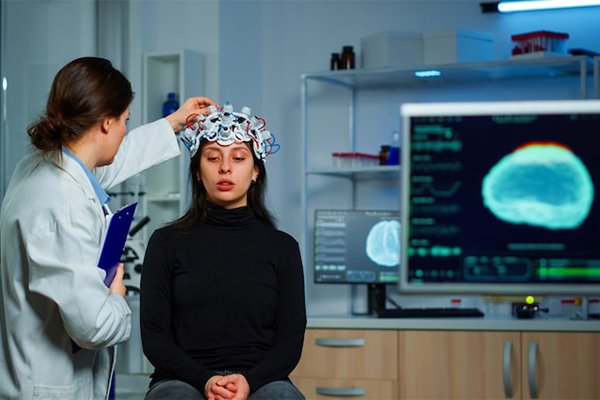
Neuroimmunology disorders are conditions where the body’s own immune system mistakenly attacks parts of the brain, spinal cord, optic nerves, or peripheral nerves. The most well-known are Multiple Sclerosis (MS) and Neuromyelitis Optica Spectrum Disorder (NMOSD), but there are many others (MOGAD, autoimmune encephalitis, CNS vasculitis, etc.). These illnesses can cause vision loss, weakness, imbalance, numbness, bladder issues, or cognitive and behavioural changes. The good news: with today’s treatments, early diagnosis and timely immunotherapy can significantly reduce relapses and long-term disability. At Vishwalata NeuroConnect, Navi Mumbai, our Neuroimmunology Clinic focuses on accurate diagnosis, individualized disease-modifying therapy (DMT), and long-term monitoring for patients with MS, NMOSD and related conditions.
Understanding Neuroimmunology, MS & NMOSD
In simple terms, MS, NMOSD and similar diseases are “misdirected immunity” conditions. Instead of only fighting infections, the immune system attacks parts of the nervous system:
In Multiple Sclerosis, the immune system attacks myelin (the insulating coating around nerve fibres) in the brain and spinal cord, causing scattered “plaques” or lesions. This can lead to symptoms like blurred or double vision, limb weakness, numbness, imbalance, fatigue, and sometimes bladder or cognitive problems. MS usually follows a relapsing-remitting course (attacks followed by partial recovery) or a more gradual progressive course.
In NMOSD, the immune system often forms antibodies against aquaporin-4 (AQP4), targeting the optic nerves and spinal cord. Patients typically have severe episodes of optic neuritis (painful vision loss) or transverse myelitis (sudden leg weakness, sensory level, bladder involvement).
MOGAD (MOG-antibody disease), autoimmune encephalitis, and other neuroimmune diseases can cause seizures, behavioural change, memory issues, and focal neurological deficits.
These conditions can be frightening, but they are treatable. Modern disease-modifying drugs and targeted immunotherapies have transformed the long-term outlook for many patients, especially when started early and monitored carefully.

Clinical Insights (Etiology, Management & Lifestyle)
Etiology & mechanisms
MS is a chronic, immune-mediated demyelinating disease of the CNS with both genetic and environmental risk factors (vitamin D deficiency, infections like EBV, smoking, obesity, etc.).
NMOSD is frequently associated with AQP4-IgG antibodies, while MOGAD is associated with MOG-IgG antibodies; both are distinct from classical MS in pathology, prognosis, and treatment.
Autoimmune encephalitis (e.g., anti-NMDA receptor, LGI1, CASPR2, GAD65) involves antibodies against neuronal surface or intracellular antigens, often associated with psychiatric symptoms and seizures.
Diagnostic work-up typically includes
- Detailed history (relapses, timeline, visual/spinal/brainstem symptoms), neurological exam
- MRI brain & spinal cord with contrast - to look for demyelinating lesions, longitudinally extensive myelitis, etc.
- CSF analysis - oligoclonal bands (for MS), inflammatory markers, ruling out infections
- Serum antibody panels - AQP4-IgG, MOG-IgG, autoimmune encephalitis antibodies where indicated
- Screening for systemic autoimmune disease (ANA, ENA), infections, nutritional and metabolic causes
Management principles
- Acute relapse treatment
High-dose IV methylprednisolone 3 – 5 days; if poor response in severe attacks, consider plasma exchange / IVIG as per guidelines.
- Long-term disease-modifying therapy (DMT)
MS: platform therapies (interferons, glatiramer acetate), oral DMTs (e.g., dimethyl fumarate, teriflunomide, S1P modulators), and high-efficacy monoclonals (e.g., ocrelizumab, natalizumab, ofatumumab, alemtuzumab) selected based on disease activity, MRI load, patient profile, pregnancy plans, etc.
NMOSD: long-term relapse prevention with agents such as rituximab, mycophenolate, azathioprine, or newer biologics targeting complement or IL-6 pathway, plus careful infection prophylaxis and monitoring.
MOGAD and other antibody-mediated conditions: often require tailored immunotherapy (steroids, IVIG, plasma exchange, steroid-sparing agents) based on relapse pattern.
Symptom control & rehabilitation
- Spasticity, fatigue, neuropathic pain, bladder dysfunction, mood and cognitive issues managed with meds and physio/occupational therapy.
- Gait training, balance work, and assistive devices when needed.
- Lifestyle & preventive strategies
- Regular exercise within tolerance, healthy weight, smoking cessation, vitamin D optimisation, good sleep hygiene.
- Vaccination planning before potent immunosuppression, infection surveillance, and regular blood monitoring.
- Heat management (for MS), energy conservation, and pacing to prevent over-fatigue.
Conditions We Treat in the Neuroimmunology Clinic
Multiple Sclerosis (MS)
Clinically isolated syndrome (CIS)
Relapsing-remitting MS (RRMS)
Secondary progressive and primary progressive MS (SPMS, PPMS)
Autoimmune CNS disorders
CNS vasculitis and other inflammatory demyelinating diseases
CNS involvement in SLE, Sjögren’s, sarcoidosis, etc.
Overlap and systemic autoimmune-related neurological disease
Neuromyelitis Optica Spectrum Disorder (NMOSD) - AQP4 antibody positive & seronegative forms
MOG-associated disease (MOGAD) - optic neuritis, myelitis, ADEM-like presentations
Inflammatory myelitis / optic neuritis (including post-infectious & para-infectious causes)
Autoimmune encephalitis (e.g., anti-NMDA receptor, LGI1,
CASPR2, etc.)

Red Flags - When to Seek a Neuroimmunology Opinion
Book an urgent or early consultation if you notice:
- Sudden vision loss or blurred vision in one eye, especially with eye pain (possible optic neuritis).
- New limb weakness, numbness or imbalance lasting more than 24 hours without obvious cause.
- Band-like tightness around chest/abdomen, sensory level, or bladder symptoms suggesting myelitis.
- Recurrent episodes of neurological symptoms that improve then recur (relapses) - e.g., previous optic neuritis or spinal attacks.
- New seizures, behavioural change, hallucinations, or confusion with suspected autoimmune encephalitis.
- MRI or report already mentioning “demyelinating lesions, suggestive of MS / demyelination / NMO / ADEM” and you need a specialist opinion.
Any rapidly progressive neurological deficit (vision, limb power, walking, consciousness) should be treated as an emergency and assessed immediately in a hospital setting.
Why Choose Vishwalata NeuroConnect for MS, NMOSD & Neuroimmunology?


Early Immune Control, Better Long-Term Outlook
If you or someone you care for has been told they have MS, NMOSD, demyelination, optic neuritis, transverse myelitis or autoimmune encephalitis, or if there are unexplained neurological episodes that keep recurring, it’s important to get a focused neuroimmunology opinion early.
Book an appointment at the Neuroimmunology (MS & NMOSD) Clinic, Vishwalata NeuroConnect to:
- Confirm or refine the diagnosis
- Discuss the best disease-modifying treatment options for your stage and goals
- Build a long-term monitoring and MRI plan
- Learn practical lifestyle strategies to live well with a neuroimmune disorder
Call / WhatsApp / Book online for a consultation with our MS & neuroimmunology specialist in Navi Mumbai (Vashi | Koparkhairane). Please carry all previous MRI scans, reports and treatment records for a comprehensive review