- Pediatric Epilepsy & Febrile Seizures Clinic
- Cerebral Palsy Clinic
- Pediatric Headache & Migraine Clinic
- Pediatric Movement Disorders Clinic
- Genetic & Neurometabolic Neurology Clinic
- Pediatric Nerve & Muscle Disorders Clinic
- Developmental Delay & Early Intervention Clinic
- Autism, ADHD, Learning Difficulties & Behavioural Neurology Clinic
- Pediatric Neurodiagnostic Lab (EEG, NCS, EMG, Evoked Potentials/BERA)
Neuromuscular Disorders &
Neuropathy Clinic
in Navi Mumbai
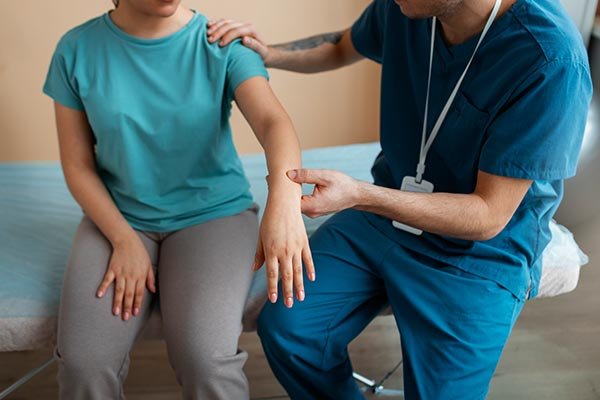
Nerves and muscles work together like an electrical wiring system. When this system is affected, patients may notice tingling, burning, numbness, cramps, muscle weakness, fatigue, or imbalance. These problems are grouped under neuromuscular disorders and neuropathy. At Vishwalata NeuroConnect, Navi Mumbai, our Neuromuscular & Neuropathy Clinic focuses on early diagnosis, cause-based treatment, and long-term rehabilitation so that patients can walk, work, and live more comfortably and independently.
What Are Neuromuscular Disorder & Neuropathy ?
Neuropathy means damage or disease of the peripheral nerves – the “wires” carrying signals from brain and spinal cord to muscles and skin. This may cause numbness, pins-and-needles, burning pain, electric-shock sensations, or loss of sensation, usually starting in the feet and hands. When motor nerves are involved, patients notice weakness, thinning of muscles, foot drop, difficulty climbing stairs, or reduced grip.
Neuromuscular disorders include conditions affecting nerves, neuromuscular junction (where nerve meets muscle), and muscles themselves – such as CIDP, GBS, myositis, myopathies, motor neuron disease, myasthenia gravis, and hereditary neuropathies. Early recognition matters because:
- Several conditions are treatable or even reversible if diagnosed in time.
- Good control of diabetes, B12, thyroid and lifestyle factors can slow or prevent progression.
- Right exercises, footwear, and safety strategies reduce falls, ulcers, and disability.
Clinical Insights (Etiology, Workup & Management)
From a neurological standpoint, neuromuscular disorders may be:
-
Peripheral neuropathies - diabetic neuropathy, B12 deficiency, hypothyroid neuropathy, alcohol/toxin/drug-induced neuropathy, immune-mediated (CIDP, vasculitic neuropathy), hereditary neuropathies, entrapment neuropathies (carpal tunnel, ulnar neuropathy), small-fiber neuropathy, paraneoplastic neuropathy.
-
Neuromuscular junction disorders - Myasthenia gravis and related conditions, typically causing fatigable weakness (eyelid drooping, double vision, chewing/swallowing or breathing difficulty on exertion).
-
Primary muscle diseases (myopathies / myositis) - inflammatory myopathies, statin-induced myopathy, metabolic or genetic myopathies, limb-girdle muscular dystrophies.
-
Motor neuron disease - degeneration of motor neurons (e.g., ALS), causing progressive weakness, wasting, cramps, fasciculations, often without sensory loss.
Evaluation usually includes detailed history and examination, Nerve Conduction Studies (NCS) and EMG, targeted blood tests (HbA1c, B12, thyroid, renal/liver function, autoimmune markers, paraproteins, infections), sometimes genetic tests, spine imaging or nerve/muscle biopsy when needed.
Management principles:
Treat the underlying cause wherever possible – diabetes control, vitamin replacement, stopping offending drugs/toxins, treating infections or autoimmune disease.
Keep them safe
- Neuropathic pain medications (gabapentinoids, SNRIs, TCAs, etc.)
- Foot care, appropriate footwear, ulcer prevention in diabetics
- Immunotherapy when indicated - steroids, IVIG, plasmapheresis, steroid-sparing agents for CIDP, GBS, myositis, vasculitis, myasthenia gravis, etc.
Keep them safe
- Physiotherapy for strength, flexibility and gait training
- Energy-conservation techniques, pacing, and task simplification
- Balance training and fall-prevention exercises
- Home safety modifications (handrails, night lights, non-slip mats)
Keep them safe
- Tight diabetes control, healthy diet, and regular exercise
- Avoiding excessive alcohol and neurotoxic medications where possible
- Timely treatment of B12, thyroid and other metabolic issues
- Regular foot inspection, podiatry care, and early treatment of calluses/wounds
- Educating patients about “numb feet = more risk” so they protect their feet and avoid burns/trauma
Symptomatic treatment
- Neuropathic pain medications (gabapentinoids, SNRIs, TCAs, etc.)
- Foot care, appropriate footwear, ulcer prevention in diabetics
- Immunotherapy when indicated - steroids, IVIG, plasmapheresis, steroid-sparing agents for CIDP, GBS, myositis, vasculitis, myasthenia gravis, etc.
Rehabilitation & lifestyle strategies
- Physiotherapy for strength, flexibility and gait training
- Energy-conservation techniques, pacing, and task simplification
- Balance training and fall-prevention exercises
- Home safety modifications (handrails, night lights, non-slip mats)
Prevention / slowing progression
- Tight diabetes control, healthy diet, and regular exercise
- Avoiding excessive alcohol and neurotoxic medications where possible
- Timely treatment of B12, thyroid and other metabolic issues
- Regular foot inspection, podiatry care, and early treatment of calluses/wounds
- Educating patients about “numb feet = more risk” so they protect their feet and avoid burns/trauma
Conditions We Treat Under Stroke & Brain Attack Care
Diabetic peripheral neuropathy (painful and painless)
Small fiber neuropathy and burning feet syndrome
Chronic inflammatory demyelinating polyneuropathy (CIDP) and other immune neuropathies
Acute neuropathies like Guillain–Barré syndrome (GBS) - evaluation and post-ICU follow-up
Entrapment neuropathies - carpal tunnel syndrome, ulnar neuropathy, peroneal neuropathy, meralgia paresthetica
Hereditary neuropathies (e.g., CMT) - diagnosis, counselling, and family screening advice
Myopathies and myositis (inflammatory, drug-induced, metabolic, genetic)
Myasthenia gravis and other neuromuscular junction disorders
Motor neuron disease - diagnosis, counselling, supportive and palliative planning
Gait imbalance due to neuropathy or proximal muscle weakness
Red Flags: When to Seek Help
Seek urgent neurology evaluation or emergency care if you notice:
-
Rapidly progressive weakness over days-weeks, especially starting in feet/legs and moving upward (possible GBS or acute neuropathy)
-
Difficulty breathing, swallowing, speaking, or lifting the head - may indicate neuromuscular respiratory or bulbar weakness
-
New double vision, drooping eyelids with fatigable weakness (possible myasthenia gravis crisis risk)
-
Sudden-onset foot drop, frequent tripping or falls
-
Severe, unexplained neuropathic pain with weight loss, fever, or systemic symptoms
-
Neuropathy in the setting of cancer, HIV, or autoimmune disease
-
Loss of bladder/bowel control or saddle anaesthesia with leg weakness (possible spinal cord/cauda equina emergency)
For non-emergency issues, book an appointment if:
01
Tingling, numbness or burning in feet/hands persists for more than a few weeks
02
You feel weakness or fatigue in limbs not explained by usual exertion
03
Balance is worsening, or you’re afraid of falling
04
You have long-standing diabetes and have never had a formal neuropathy check or NCS/EMG
Why Vishwalata NeuroConnect for Neuromuscular & Neuropathy Care?
Protect Your Nerves, Preserve Your Strength
If you are living with tingling, burning feet, numb hands, unexplained weakness, cramps, or imbalance, now is the right time to get a proper evaluation.
Book an appointment at the Neuromuscular Disorders & Neuropathy Clinic, Vishwalata NeuroConnect to:
- Understand the exact cause of your nerve or muscle problem
- Get a scientific, personalised treatment plan including NCS/EMG where needed
- Learn practical foot care, safety and exercise strategies to protect your nerves
- Prevent further damage and maintain your strength and independence
Call / WhatsApp / Book online for a consultation with our neuromuscular specialist in Navi Mumbai (Vashi | Koparkhairane). Please bring previous reports, blood tests and EMG/NCS if already done.