
Understanding CNS Infections
- Meningitis - infection of the coverings of the brain and spinal cord
- Encephalitis - infection/inflammation of the brain tissue itself
- Meningoencephalitis - combination of both
- Brain abscess / tuberculoma - localised pockets or lumps of infection inside the brain
- Spinal infections - TB or pyogenic infection of vertebrae, epidural space or spinal cord
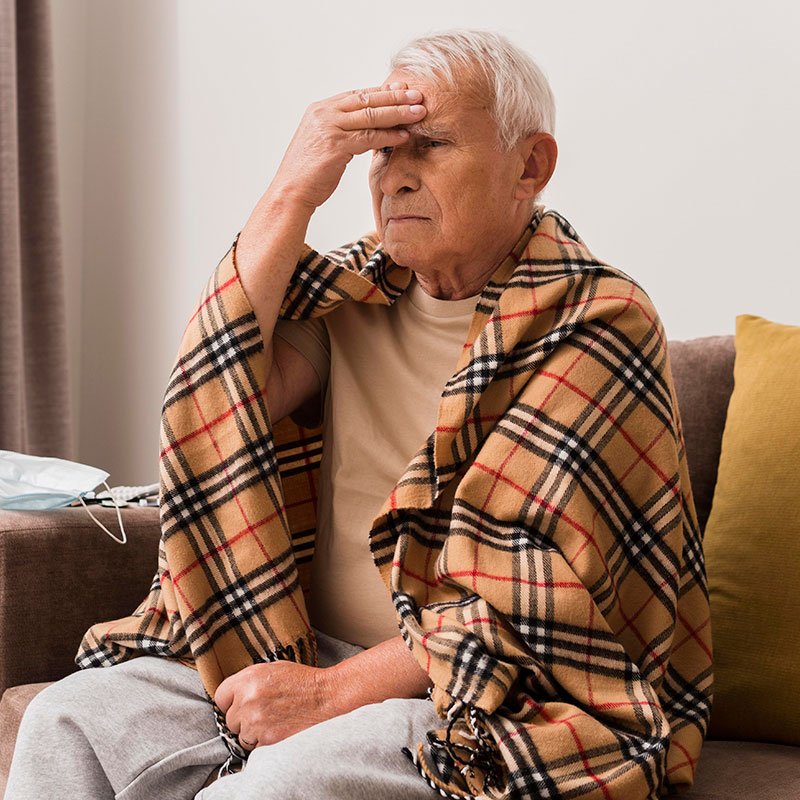
Clinical Insights - Causes, Evaluation & Management
- Bacterial: e.g. pneumococcal or meningococcal meningitis, brain abscess from ear/sinus infections.
- Mycobacterial (TB) : tuberculous meningitis, basilar meningitis, tuberculomas, spinal TB (Pott’s disease) with or without cord compression.
- Viral: HSV encephalitis, Japanese encephalitis, enteroviruses, arboviruses, and many others.
- Fungal: cryptococcal, aspergillus etc., more common in immunocompromised patients.
- Parasitic: neurocysticercosis, toxoplasmosis, etc.
- Blood tests (infection markers, HIV, immune status).
- Neuroimaging - CT/MRI brain and spine to look for meningitis signs, abscess, tuberculomas, venous sinus thrombosis, spinal involvement.
- Lumbar puncture (CSF analysis) for cell counts, protein, sugar, culture, PCR/CBNAAT/GeneXpert for TB, viral PCR, fungal stains, etc.
- Search for primary focus (chest X-ray, HRCT, echocardiography, ENT/dental evaluation) where relevant.
- Rapid initiation of appropriate antimicrobials (antitubercular, antibacterial, antiviral, antifungal) based on most likely etiology - often before full results, then refined as reports come.
- Adjunctive steroids in specific conditions (e.g. TB meningitis, selected bacterial meningitis, some vasogenic oedema situations).
- Seizure control, management of raised intracranial pressure, hydrocephalus (may require neurosurgical shunt / EVD), and close ICU monitoring in severe cases.
- Management of complications: stroke from TB vasculitis, cranial nerve palsies, cognitive and behavioural changes, spinal deformity or cord compression.
- Rehabilitation and long-term follow-up after acute phase - addressing residual weakness, movement disorders, cognitive or seizure issues.
- Timely vaccination (e.g. pneumococcal, H. influenzae, certain viral vaccines as per national guidelines).
- Early treatment of pulmonary TB, ear/sinus/dental infections, and other systemic infections.
- Infection control and prophylaxis in immunocompromised patients (HIV, transplant, chemotherapy).
- Avoiding undercooked pork and unsafe water to reduce parasitic infections like neurocysticercosis.

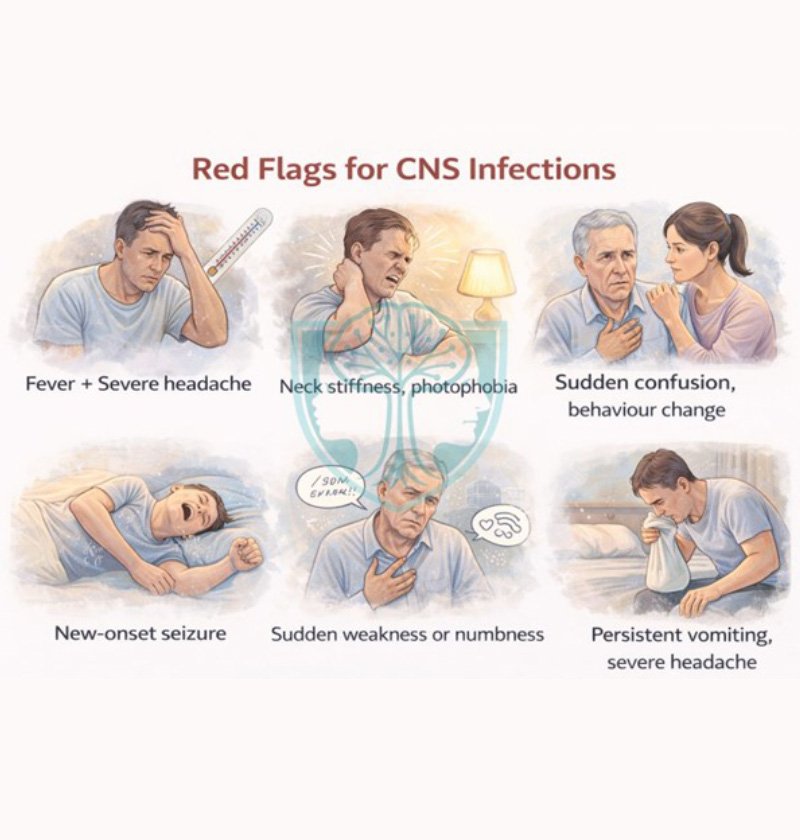
Red Flags - When to Seek Urgent Neurology Help
- Fever with severe headache not relieved by usual medicines
- Neck stiffness, photophobia (discomfort in bright light)
- Sudden confusion, drowsiness, behaviour change, or personality change
- New-onset seizure (convulsion) in any age group
- Sudden weakness or numbness of face/arm/leg, difficulty speaking, double vision, or imbalance
- Persistent vomiting, severe headache on waking, or reduced level of consciousness
- Known or suspected pulmonary TB / HIV / immunosuppression with new neurological symptoms (headache, seizures, confusion, focal deficits)
Why Choose Vishwalata NeuroConnect for Sleep Disorders?

Specialised Neuro-ID interface
Consultant neurologist with strong experience in CNS TB, encephalitis and post-infectious neurology, working closely with infectious disease and pulmonology teams.

Comprehensive diagnostic approach
Systematic review of MRI/CT, CSF reports and microbiology, plus guidance on advanced tests (PCR panels, antibody tests, MR spectroscopy, vessel imaging) when needed.

Individualised treatment & follow-up
Optimisation of antitubercular/antimicrobial regimens in discussion with treating physicians, seizure management, steroid taper planning, and monitoring for complications (hydrocephalus, vasculitis, residual epilepsy).

Long-term neurological rehabilitation
Focus on recovery of strength, cognition and function after acute infection – integration with physiotherapy, speech therapy and epilepsy care.

Family counselling & education
Clear communication about disease course, expected recovery timeline, adherence to prolonged TB courses, and warning signs for relapse or complications.

Navi Mumbai focused care
Easily accessible for patients from Vashi, Koparkhairane and surrounding areas, with continuity of care after discharge from tertiary hospitals or ICUs.